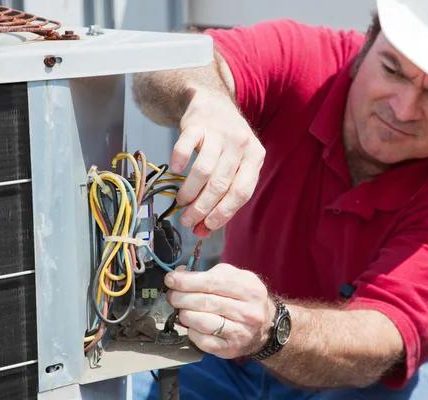
HVAC contractors often face significant challenges in managing their workforce due to the seasonal nature of heating, ventilation, and air conditioning demands. The fluctuations in workload throughout the year require strategic planning and adaptive management techniques to ensure efficiency and customer satisfaction. One common approach is the use of flexible staffing models that allow contractors to scale their teams up or down depending on demand. During peak seasons such as summer and winter, when cooling or heating systems are in high demand, additional technicians are hired either on a temporary basis or through subcontracting arrangements. This flexibility helps prevent overstaffing during slower months while ensuring enough personnel are available when workloads increase.
Another effective technique involves cross-training employees so they can perform multiple roles within the company. By equipping workers with diverse skills, HVAC contractors can redeploy staff as needed across different tasks or service areas without hiring excess personnel. Cross-trained employees provide greater operational agility by filling gaps caused by absenteeism or sudden spikes in work volume. Furthermore, investing in ongoing training programs keeps technicians updated on industry standards and new technologies, which enhances overall productivity and reduces downtime caused by skill shortages.
Technology also plays a critical role in managing seasonal uncover details workforce challenges for HVAC companies. Contractors utilize sophisticated scheduling software that optimizes technician assignments based on location, skill set, availability, and job urgency. Automated scheduling minimizes manual errors and improves response times for service calls during busy periods. Additionally, mobile applications enable real-time communication between field staff and dispatchers to quickly address changes or emergencies without disrupting workflow.
To maintain employee engagement despite fluctuating hours or contracts typical of seasonal workforces, many HVAC firms focus on building strong workplace cultures that emphasize teamwork and recognition. Providing incentives such as performance bonuses during peak seasons motivates workers to maintain high standards under pressure. Clear communication about expected workload changes helps manage employee expectations while fostering loyalty even among temporary hires.
Moreover, some contractors develop partnerships with vocational schools or apprenticeship programs to create pipelines of trained candidates ready for seasonal employment spikes. These relationships ensure a steady supply of qualified individuals familiar with company practices who can be onboarded rapidly when demand rises.
In summary, managing seasonal workforce challenges requires HVAC contractors to implement flexible staffing strategies complemented by cross-training initiatives and technological tools for efficient scheduling and communication. Cultivating positive workplace environments alongside developing external talent sources further strengthens their ability to meet fluctuating market needs effectively throughout the year.