When choosing a mini split air conditioner, several key features should be considered to ensure optimal performance, energy efficiency, and user comfort. A primary factor is the unit’s cooling capacity, which must match the size of the room it will serve. An undersized system will struggle to maintain a comfortable temperature, while an oversized one may cycle on and off frequently, reducing efficiency and lifespan. It is important to calculate the square footage of the space and select a model with an appropriate British Thermal Unit (BTU) rating for balanced operation.
Energy efficiency is another crucial aspect when selecting a mini split air conditioner. Look for models with high Seasonal Energy Efficiency Ratio (SEER) ratings or Energy Star certification. These units consume less electricity while providing effective cooling, leading to lower utility bills and reduced environmental impact. Variable-speed compressors are common in energy-efficient models because they adjust power output based on current cooling needs rather than running at full capacity constantly.
The design of the indoor unit also plays a significant role in user satisfaction. Compact and sleek units blend seamlessly into different room styles without causing obtrusion or noise disturbance. Quiet operation is essential since loud sounds can disrupt daily activities or sleep quality. Check manufacturer specifications for decibel levels; quieter units generally fall below 30 decibels during normal use.
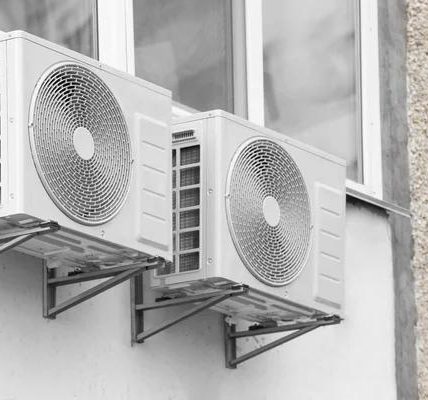
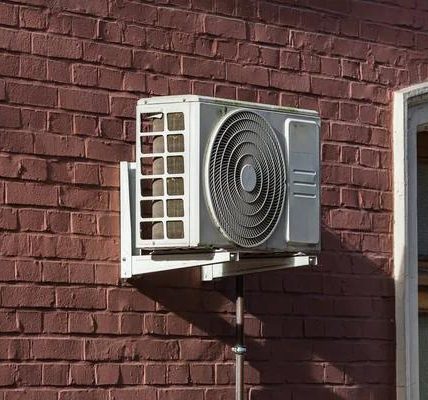
Installation flexibility adds value by allowing placement options that suit various room layouts and architectural constraints. Mini splits typically consist of an outdoor compressor connected by refrigerant lines to one or more indoor air handlers mounted on walls or ceilings. Some systems offer multi-zone capabilities enabling control over multiple rooms independently through separate indoor units linked to one outdoor compressor.
Modern features enhance convenience significantly in many mini split ac models today. Remote controls enable easy adjustments from across the room without needing manual interaction with the unit itself. Wi-Fi connectivity allows smartphone app integration so users can monitor temperatures remotely or schedule operation times according to their routines.
Additional considerations include filtration systems that improve indoor air quality by capturing dust particles, allergens, and pollutants during operation-beneficial for individuals with respiratory sensitivities or allergies. Some advanced models incorporate dehumidification functions that reduce humidity levels alongside cooling effects.
In summary, selecting a mini split air conditioner involves evaluating cooling capacity suitable for your space, prioritizing energy-efficient technologies like variable-speed compressors and high SEER ratings, considering quietness of operation along with adaptable installation options, embracing modern conveniences such as remote control and smart connectivity features while factoring in enhanced filtration capabilities for healthier indoor environments-all contributing toward comfort tailored precisely to individual needs throughout varying seasons.