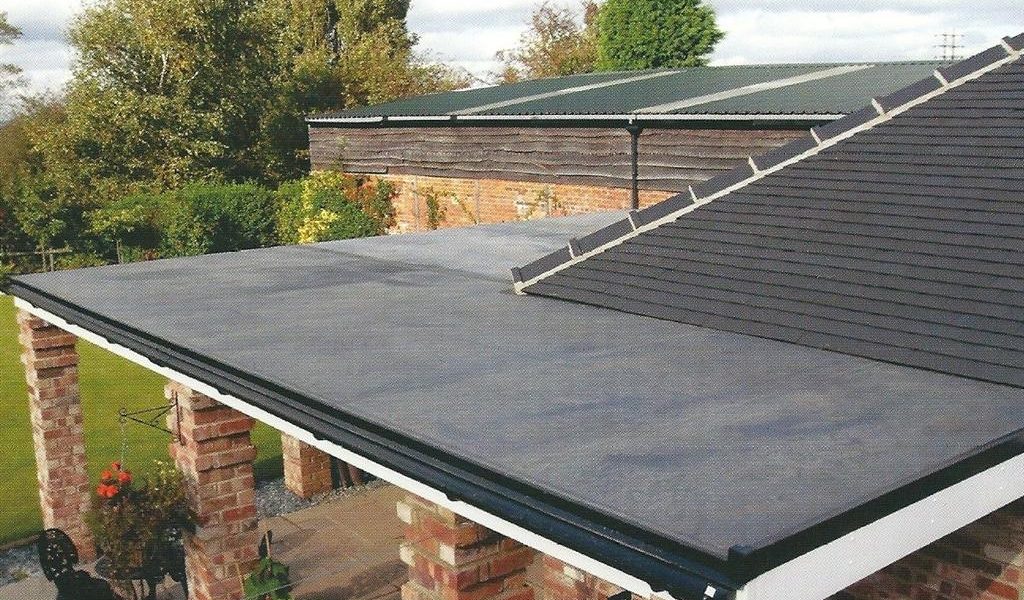

When deciding on the type of roof for a home, homeowners often face the choice between flat roofs and pitched roofs. Both styles have distinct characteristics, advantages, and drawbacks that influence their suitability depending on climate, architectural preferences, budget, and maintenance considerations.
Flat roofs are characterized by their nearly horizontal surface with a slight slope to allow water drainage. They are commonly found in modern or commercial buildings but have gained popularity in residential construction due to their sleek appearance and efficient use of space. One key advantage of flat roofs is the ability to utilize the rooftop area as additional living space or for installing equipment such as solar panels or HVAC units. Flat roofs generally require fewer materials than pitched roofs, potentially reducing initial construction costs.
However, flat roofs come with challenges primarily related to water drainage. Since they lack significant slope, rainwater and snow can accumulate if drainage systems are not properly designed or maintained. This can lead to leaks or structural damage over time if neglected. Additionally, flat roofing materials like modified bitumen or rubber membranes may need more frequent inspection and maintenance compared to traditional shingles used on pitched roofs.
In contrast, pitched roofs feature a sloped design that naturally facilitates water runoff and prevents accumulation of debris. This makes them particularly suitable for areas with heavy rainfall or snowfall since gravity aids in shedding moisture quickly from the surface. Pitched roofs also offer better ventilation options within attic spaces which can improve energy efficiency by regulating temperature extremes inside the home.
Aesthetically, pitched roofs provide classic appeal with various styles such as gable, hip, mansard, or gambrel designs available to complement different architectural themes. Their steep angles create opportunities for vaulted ceilings inside homes which many find attractive.
On the downside, pitched roofs typically involve higher upfront costs because they require more materials-such as underlayment layers-and complex framing structures during construction. Repairs may be more complicated due to height and angle constraints making access difficult without professional help.
Choosing between a flat roof vs pitched roof depends largely on personal preferences combined with practical considerations like local weather conditions and intended usage of rooftop space. Homeowners who prioritize modern aesthetics along with functional outdoor areas might lean toward flat roofing despite its maintenance demands. Meanwhile those valuing durability against harsh weather elements alongside timeless design often prefer pitched roofing even at increased cost.
Ultimately both types serve well when installed correctly using quality materials suited for specific environments coupled with regular upkeep routines ensuring longevity-making it essential for homeowners to weigh pros and cons carefully before finalizing their roofing choice.