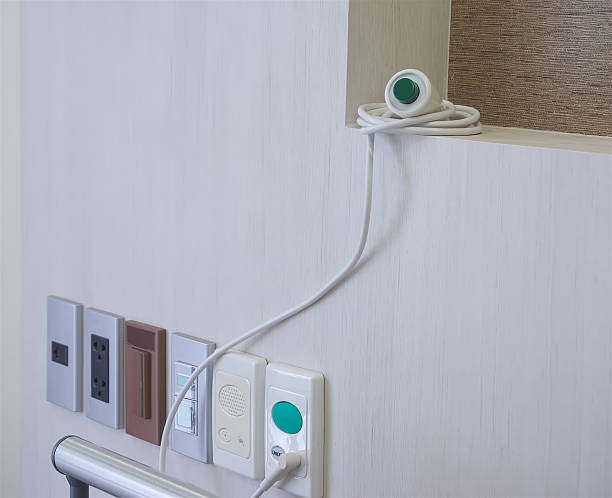

Nurse call infrastructure is a critical component of healthcare buildings, ensuring efficient communication between patients and medical staff. This system significantly enhances patient care quality, safety, and response times. In modern healthcare facilities, the nurse call infrastructure is designed to provide seamless connectivity, integrating advanced technology that supports both patients and healthcare providers.
At its core, nurse call infrastructure consists of devices and communication networks that allow patients to alert nurses or caregivers when assistance is needed. These systems typically include call buttons located at patient bedsides, bathroom areas, and other strategic locations, along with monitors and communication devices used by nursing staff. The infrastructure must be reliable, user-friendly, and capable of handling high volumes of calls without delay.
Healthcare buildings are complex environments with various departments, floors, and specialized units such as intensive care, emergency, and surgical wards. Designing an effective nurse call infrastructure requires careful planning to cover all these areas comprehensively. The network must support both wired and wireless communication methods, ensuring coverage even in remote or hard-to-reach locations within the facility. This flexibility also allows for integration with existing building management systems and electronic health records (EHR).
One of the key advantages of modern nurse call infrastructure is the integration of smart technologies. For example, some systems use real-time locating systems (RTLS) to track staff movements and allocate resources efficiently. Advanced nurse call platforms can also prioritize calls based on urgency, helping nursing staff to respond promptly to critical situations. Moreover, mobile devices such as smartphones and tablets are often incorporated, enabling nurses to receive alerts and communicate on the go, improving workflow and reducing response times.
Safety is another crucial aspect addressed by nurse call infrastructure. In addition to routine assistance requests, these systems can include emergency alarms for situations like patient falls or medical crises. The infrastructure is also designed to maintain functionality during power outages or network failures, often featuring backup power supplies and redundant communication paths to ensure uninterrupted service.
In summary, nurse call infrastructure is an essential element in healthcare buildings, directly impacting patient satisfaction and operational efficiency. By investing in advanced, reliable, and integrated nurse call systems, healthcare facilities can improve communication, enhance patient safety, and optimize staff performance. As healthcare technology continues to evolve, nurse call infrastructure will remain a foundational component supporting the delivery of high-quality patient care.