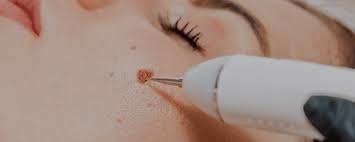

Moles are common skin growths that can appear anywhere on the body. While most moles are harmless, some individuals choose to have them removed for cosmetic reasons or because they cause discomfort. In certain cases, removal is recommended due to medical concerns such as changes in size, shape, or color, which could indicate a risk of skin cancer. Understanding the options available for mole removal and ensuring safe practices is essential for effective treatment.
The first step in mole removal is consultation with a healthcare professional, typically a dermatologist. They will evaluate the mole’s characteristics and determine whether it poses any health risks. If a mole exhibits irregular borders, multiple colors, or asymmetry—or if it changes over time—a biopsy may be conducted to rule out malignancy before proceeding with removal.
There are several methods available for mole removal, each with its own advantages and considerations. Surgical excision is one of the most common techniques used by dermatologists. This procedure involves numbing the area with local anesthesia before cutting out the mole along with some surrounding tissue to ensure complete removal. Stitches may be required to close the wound depending on its size and location.
Another method is shave excision, suitable for smaller moles that MoleRemovalAt protrude above the skin surface. The dermatologist uses a small blade to shave off the mole at skin level after numbing the area. This technique usually does not require stitches but may leave a flat scar.
For non-invasive options, laser therapy can be considered for superficial moles without suspicious features. Laser treatment employs concentrated light beams to break down pigment cells within the mole gradually fading it over time through repeated sessions if necessary.
Cryotherapy is another alternative where liquid nitrogen freezes off benign moles causing them to fall away naturally after several days as new healthy tissue forms underneath.