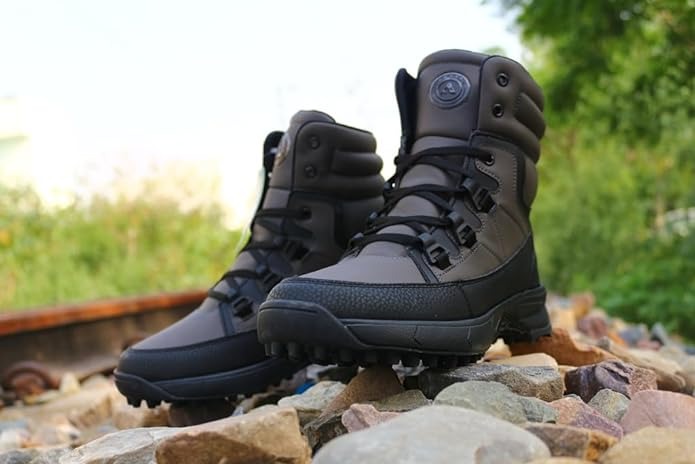

When it comes to long treks, the right footwear can make all the difference. Lightweight hiking boots are designed to provide comfort and support without weighing you down. Imagine conquering rugged trails or navigating rocky paths with ease. These boots offer durability while keeping your feet feeling fresh mile after mile.
Whether you’re a seasoned hiker or just starting out, investing in the right pair of lightweight boots is essential for enjoying your adventures to the fullest. But how do you choose? Let’s explore what factors to consider when selecting your next pair, along with tips on fitting and maintaining them for peak performance on those lengthy hikes ahead. Get ready to step into comfort!
Factors to Consider When Choosing Lightweight Hiking Boots
Choosing the right lightweight Hiking Boots involves several important factors. First, consider your hiking terrain. Different trails require different levels of support and traction.
Next, look at materials. Breathable fabrics help keep your feet cool on warm days while waterproof options protect against unexpected rain. A good combination ensures comfort in various conditions.
Fit is crucial too. A snug fit around the heel prevents blisters, while enough space for your toes allows for natural movement downhill. Remember to try them on with the socks you plan to wear.
Check out features like lacing systems and ankle support based on personal preference or specific needs such as stability during steep climbs or descents.
Customer Reviews and Personal Experiences
Customer feedback is a treasure trove of insights when it comes to lightweight hiking boots. Many hikers rave about their experiences, highlighting comfort during long treks. A few have mentioned the reduction in foot fatigue after switching from traditional boots.
Personal stories often focus on specific trails and conditions. One hiker shared how their waterproof boots saved them during an unexpected rainstorm, keeping feet dry and spirits high. Others appreciate the breathability offered by mesh materials on hot summer hikes.
Many users emphasize durability despite their light weight. It’s heartening to hear about boots standing up against rocky terrains or muddy paths while remaining surprisingly agile and comfortable throughout lengthy adventures.
Tips for Properly Fitting and Maintaining Your Hiking Boots
Finding the right fit for your hiking boots is crucial. Start by wearing the socks you plan to use on your treks. Walk around in them for at least 15 minutes to ensure they’re comfortable.
Pay attention to space your toes should have room but not too much that they slide around. A snug fit around the heel prevents blisters and discomfort during long hikes.
Regular maintenance can extend their life significantly. Clean off dirt and debris after each hike, especially from the soles and seams. Use a brush or damp cloth for this task.
Check laces regularly; worn-out laces can compromise support. Replace them if frayed or damaged to maintain optimal performance while trekking through rugged terrains.
Why Lightweight Hiking Boots are a Must-Have for Long Treks
When it comes to long treks, lightweight hiking boots are not just a luxury; they’re essential gear. These boots provide the perfect balance of support and flexibility, allowing you to navigate varied terrains with ease. Their lighter weight reduces fatigue over extended hikes, helping you maintain your energy levels.
Enhanced breathability is another huge benefit. Many lightweight models feature mesh panels or moisture wicking materials that keep your feet dry and comfortable even on warm days. This can make all the difference during lengthy adventures when every little comfort counts.